
Cold Therapy Isn't Just for Injuries: When Cooling Down Is the Right Call for Stress and Inflammation
The Cold Pack Has Been Sitting in Your Freezer, Waiting for the Wrong Moment
Most of us treat cold therapy like a fire extinguisher — only useful when something has clearly gone wrong. You twist an ankle, you grab the ice pack. You pull a muscle, you reach for the freezer. The rest of the time, it just sits there.
That's a missed opportunity. Cold therapy has a whole quieter side that rarely gets talked about: using it intentionally for stress-driven inflammation, tension headaches, and joints that are simply running too hot from overuse. Not emergencies. Not acute injuries. Just the low-grade, everyday discomfort that accumulates when your body is under pressure and can't quite reset.
If you've been defaulting to heat for everything — or ignoring cold entirely — this is worth reading.
What's Actually Happening When You Apply Cold
Cold works through a straightforward mechanism: it causes blood vessels near the surface to constrict, which slows circulation in that area, reduces fluid buildup, and temporarily dampens nerve signal activity. The practical result is less swelling, less heat, and reduced sensitivity to pain in the treated area.
For acute injuries, this is exactly what you want — you're limiting the inflammatory response that would otherwise cause significant swelling. But inflammation isn't only an injury phenomenon. Chronic stress, repetitive strain, and even prolonged tension in the muscles can trigger low-level inflammatory responses that cold therapy is well-suited to address. Research published through the NIH has highlighted the relationship between psychological stress and systemic inflammation, which is part of why a stress headache can feel physically as real as any other kind.
Three Situations Where Cold Is the Right Call (Not Heat)
1. Tension Headaches That Feel Hot and Pounding
There's a meaningful difference between a tension headache that's tight and dull versus one that feels hot, pulsing, or pressure-heavy around the temples and forehead. The first type often responds well to heat at the base of the skull. The second? Cold is almost always more effective.
Applying a cool wrap or compress across the forehead and temples helps constrict the blood vessels contributing to that pounding sensation and brings the local temperature down. It's the same reason a cold, damp cloth has been a headache remedy for generations — the physiology is sound. A cooling wrap designed for the head area makes this far more practical than a dripping washcloth, and it stays in place.
If you deal with sinus-related headaches, cold across the sinus area can also help reduce the inflammation-driven pressure that makes them so miserable. Herbal Concepts' Sinus & Migraine Cap is designed for exactly this kind of dual-use — it can be chilled for cooling relief or warmed depending on what your head needs that day.
2. Overheated, Achy Joints After Repetitive Use
Knees after a long walk. Shoulders after hours at a desk. Feet after a full shift on hard floors. These aren't injuries — nothing is torn or broken — but the joints are inflamed from sustained use and they feel warm to the touch, stiff, and sore.
This is one of the most underappreciated uses for cold therapy. Heat feels more instinctively comforting, but applying heat to an already-inflamed joint can actually increase blood flow and worsen that swollen, achy feeling. Cold is the smarter move here: it brings the temperature down, eases the inflammatory response, and gives the joint a chance to settle.
A well-designed cooling wrap for the knee or foot makes this much easier than balancing a bag of frozen peas. It conforms to the joint, stays in place, and delivers consistent cooling without the drip. If you want to understand more about when heat versus cold is the right choice for joint and muscle pain, this complete guide to heated and cold wraps for neck and shoulder pain covers the distinction clearly.
3. Stress-Driven Muscle Tension That's Running Hot
Stress tightens muscles — that's well-established. What's less discussed is that prolonged tension can create localized inflammation in the affected muscles, particularly in the neck, shoulders, and upper back. You'll notice it as a kind of burning, hot tightness rather than a cold, clamped-down ache.
When the tension is accompanied by that warm, inflamed feeling, cold therapy can interrupt the cycle more effectively than heat. Cooling the area calms the inflammatory response, which in turn allows the muscle to release some of its tension. Heat, by contrast, increases blood flow to an already-inflamed area, which can feel temporarily good but sometimes prolongs the underlying problem.
This is a good moment to pay attention to what your body is actually telling you — not just what feels most comforting in the moment. A cool neck and shoulder wrap after a high-stress workday, especially if your neck feels hot and tight rather than stiff and cold, is a practical way to give your nervous system a reset. For more on how heat therapy and mindfulness can work together for stress relief (and when to switch approaches), this post on heat therapy and mindfulness for emotional wellness is worth a read.
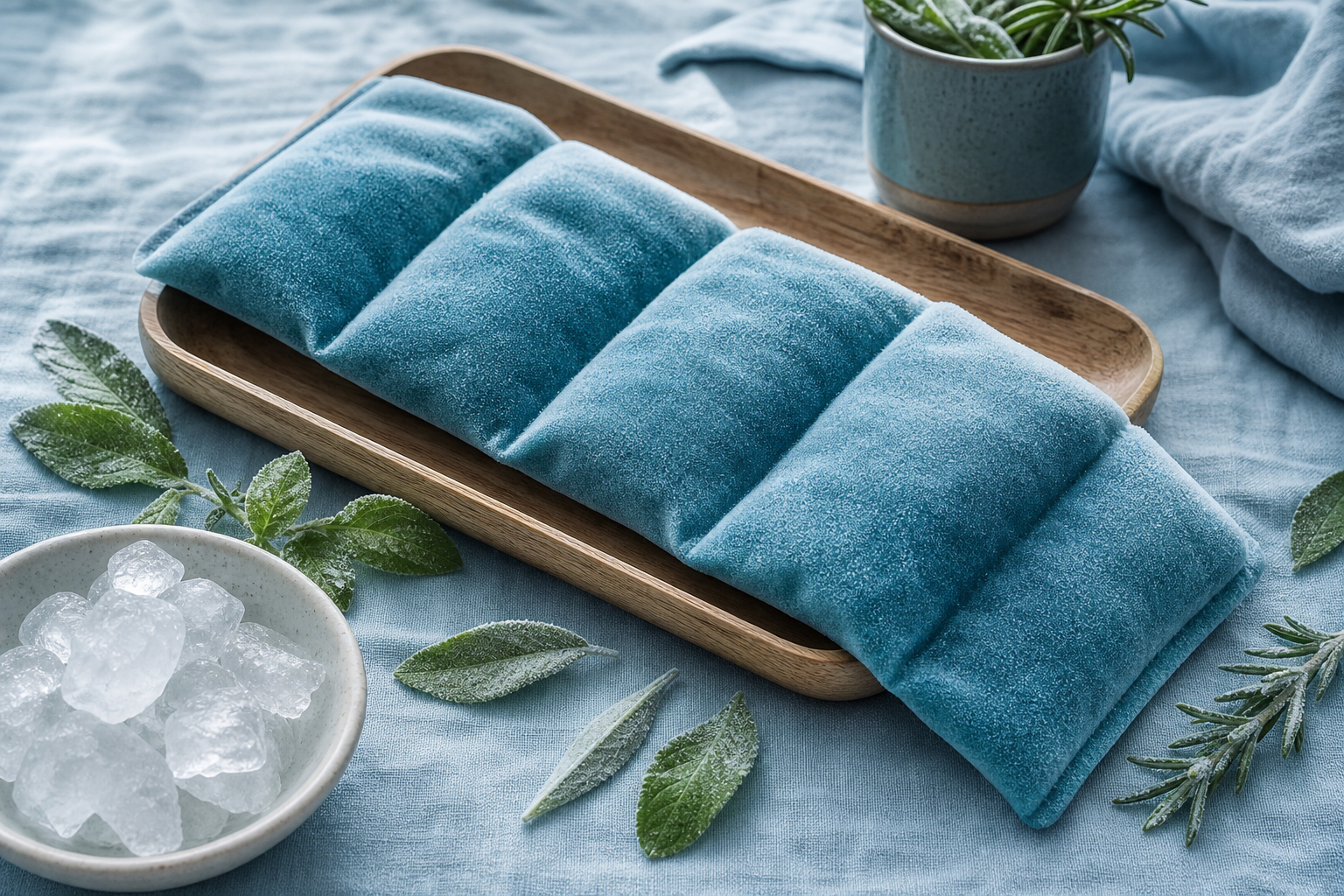
How to Use Cold Therapy Intentionally (Not Just Reactively)
The shift here is thinking of cold therapy as a proactive tool in your self-care routine, not something you only reach for after something goes wrong. A few practical notes:
- Duration matters. Short, consistent sessions are more effective than one long application. General guidance suggests around 15–20 minutes at a time, with breaks in between — but follow the specific instructions that come with any wrap or pad you're using.
- Pay attention to the quality of your discomfort. Warm, pulsing, or burning pain tends to respond better to cold. Stiff, dull, or clamped-down pain tends to respond better to heat. When in doubt, cold is often the safer starting point because it's less likely to aggravate an inflamed area.
- Cold doesn't have to be uncomfortable. A well-made wrap that's been in the freezer delivers a gentle, sustained chill — not the sharp, unpleasant shock of a bare ice pack against skin. The difference in experience is significant, especially if you've avoided cold therapy because it felt harsh.
- Combine it with stillness. Cold therapy works best when you're actually resting the area. Fifteen minutes lying down with a cooling wrap on your forehead or neck is genuinely restorative. Doing it while rushing around the kitchen largely defeats the purpose.
The Bigger Picture: Cold as Part of a Natural Wellness Routine
Heat gets the press. It feels nurturing, it's associated with relaxation, and it's the default recommendation for most muscle discomfort. Cold therapy has an image problem — it feels clinical, uncomfortable, and reactive.
But once you start using it intentionally for the right situations, it becomes as natural a part of your routine as anything else. A cooling wrap for a stress headache mid-afternoon. A chilled knee wrap after a long walk. A cool neck wrap on a hot, tense evening when heat is the last thing you want near your shoulders.
The goal isn't to replace heat — it's to have both options available and know when each one actually helps. That's what real self-care looks like: not a one-size-fits-all ritual, but a responsive, informed approach to what your body needs on any given day.
Herbal Concepts wraps are designed for both hot and cold use — see which ones are best suited for cooling therapy on the Herbal Concepts product pages, and use code HERBALVIBES10 for 10% off your order.
Frequently Asked Questions
How long should I apply cold therapy at a time?
General guidance for cold therapy is around 15–20 minutes per session, with adequate breaks before reapplying. Always follow the specific directions included with your wrap or pad, and avoid applying cold directly to bare skin for extended periods.
How do I know whether to use heat or cold for my pain?
A useful rule of thumb: if the area feels warm, swollen, or inflamed, cold is usually the better choice. If it feels stiff, tight, and cold to the touch — especially after rest — heat tends to work better. Tension headaches that feel hot and pounding typically respond better to cold; dull, clamped-down neck stiffness often responds better to heat.
Can cold therapy help with stress, or is it only for physical pain?
Cold therapy primarily works on the physical symptoms that stress produces — inflamed muscles, tension headaches, and overheated joints. By calming those physical responses, it can help your body feel more settled overall, which supports a sense of calm. It's not a standalone treatment for stress, but it's a genuinely useful tool for the physical side of it.
Are herbal wraps safe to use cold, or are they only designed for heat?
Herbal Concepts wraps are specifically designed for both hot and cold use — you can freeze them for cooling therapy or microwave them for heat therapy. Check the individual product pages for specific instructions on freezing times and usage guidance for each wrap.